What to do when you lock your keys in a hot car?
Locking your keys inside a car is stressful enough on a normal day. When the temperature climbs, the situation can become dangerous very quickly. The first few minutes matter most, not for the car, but for the people inside. If a child, a pet, or a vulnerable adult is trapped in a vehicle that is heating up, your immediate priority is to get them out safely. Cars heat up fast. Even with the windows cracked, the interior can reach life-threatening temperatures in under ten minutes on a warm day. Heatstroke can set in rapidly, especially for children whose bodies heat up three to five times faster than an adult's. The first step is to check the occupants. If anyone appears distressed, flushed, or is breathing rapidly, call emergency services right away. Trying to solve the lockout yourself can waste precious time. Once you have assessed the situation, you can decide on the best way to regain access to the vehicle.
Assess the immediate risk
The rule of thumb is simple: if there is a person or animal inside, the clock is ticking. Do not walk away to find a coat hanger or call a friend. Stay at the car, try to keep the occupants calm and encourage them to move to a cooler spot inside the vehicle if possible. If the engine is running and the air conditioning is on, the risk is lower, but fuel will eventually run out. If the engine is off, the temperature inside the car can rise by about 20 degrees Fahrenheit in the first ten minutes. Open any doors that are unlocked. Sometimes only one door is locked, and the others can still be pulled open. Check all four doors and the trunk. If the trunk release is mechanical, a rear seat that folds down can provide a way out for a trapped person, but this depends on the vehicle model. If you cannot get anyone out safely within a minute or two, call 911. Explain that someone is trapped in a hot vehicle. Emergency dispatchers can guide you on what to do while help is on the way. Do not break a window yourself unless a firefighter or a trained professional tells you to do so. Breaking glass can shower the occupants in shards and cause serious injury. If you absolutely must break a window, use a sharp, heavy object aimed at the lower corner of a side window far from the occupants. Wear gloves and cover your eyes. But in most cases, waiting for professional help is the safer option.
When the vehicle is empty
If you have locked your keys in an empty car on a hot day, the situation is less urgent but still uncomfortable. The car will heat up, but the only thing at risk is your patience and perhaps your phone battery if you left it inside. Take a moment to think. Do you have a spare key at home, at work, or with a family member? A quick phone call can solve the problem in minutes. If no spare is available, you need to decide between a do-it-yourself approach and calling a professional. Many roadside assistance programs include lockout service. Check your insurance policy or membership card. If you have coverage, a service vehicle will arrive with tools designed to open car doors without damaging the paint or the locking mechanism. This is often the fastest and safest option. Avoid using improvised tools like wire hangers, rulers, or plastic wedges. These can scratch the paint, damage the weather stripping, or even break the window glass. Modern cars have complex locking systems and thin, fragile door panels. A slip with a tool can cost you more than the price of a professional unlock.
Preventing a repeat
Once you are back inside your car, take a few preventive steps. First, check that you have a spare key somewhere accessible. A magnetic key holder attached under the car is risky because it can fall off and it is easy for thieves to find. A better idea is to keep a spare key fob in your wallet or purse, or leave one with a trusted neighbor. Another simple habit is to always place your keys in the same spot when you get out: in your pocket, in your bag, or in your hand. Do not set them on the seat or in the cup holder while you load things into the car. Many modern cars have a feature that prevents you from locking the door if the key fob is still inside, but not all models have this, and it can be overridden. Check your owner's manual to see if your car has a "key-in-ignition" or "key-in-car" warning. If it does, pay attention to the chime. If your key fob battery is low, the car may not detect the fob inside, and you can accidentally lock it in. Replace the key fob battery every year or two to avoid this. If your key fob stops working entirely, you might need a key fob replacement. This is a common issue as fobs age, and a professional can help you get a new one programmed to your car.
Understanding key fob technology
Most modern cars use a key fob that communicates with the car's computer via radio signals. When you press a button, the fob sends a code, and the car responds by locking or unlocking the doors. Some fobs also have a physical key blade hidden inside that you can slide out to open the door manually if the battery dies. Knowing where this blade is and how to release it can save you in a pinch. The key blade usually works only on the driver's door, not the ignition. To start the car, you may need to hold the fob near the start button or insert it into a slot. The technology varies by make and model. For instance, some cars require a transponder chip inside the fob to be read by the ignition cylinder. If you lose your fob, getting a key fob replacement involves more than cutting a new key. The fob must be programmed to match your car's immobilizer system. This usually requires a special tool that connects to the car's diagnostic port. A professional locksmith or a dealership can do this. If you need a key fob replacement, you will typically need to provide proof of ownership, such as the vehicle registration and your ID. The locksmith may also need the vehicle identification number to look up the correct fob and programming procedure. It is a good idea to keep your vehicle identification number written down somewhere handy, because it is needed for ordering new keys.
Roadside safety while you wait
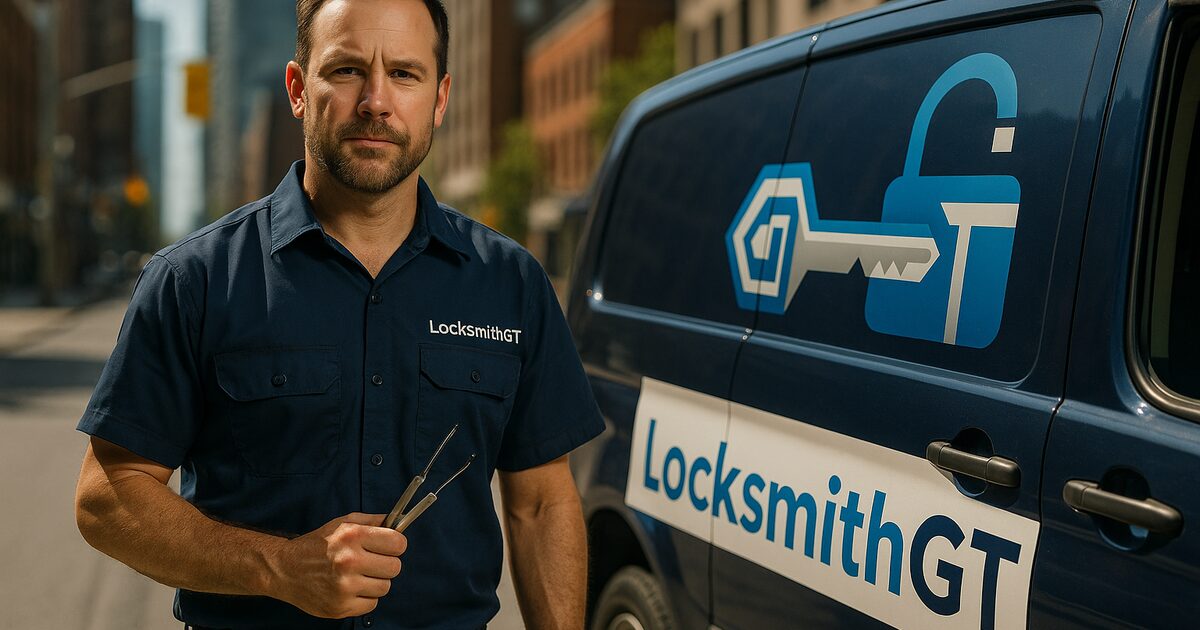
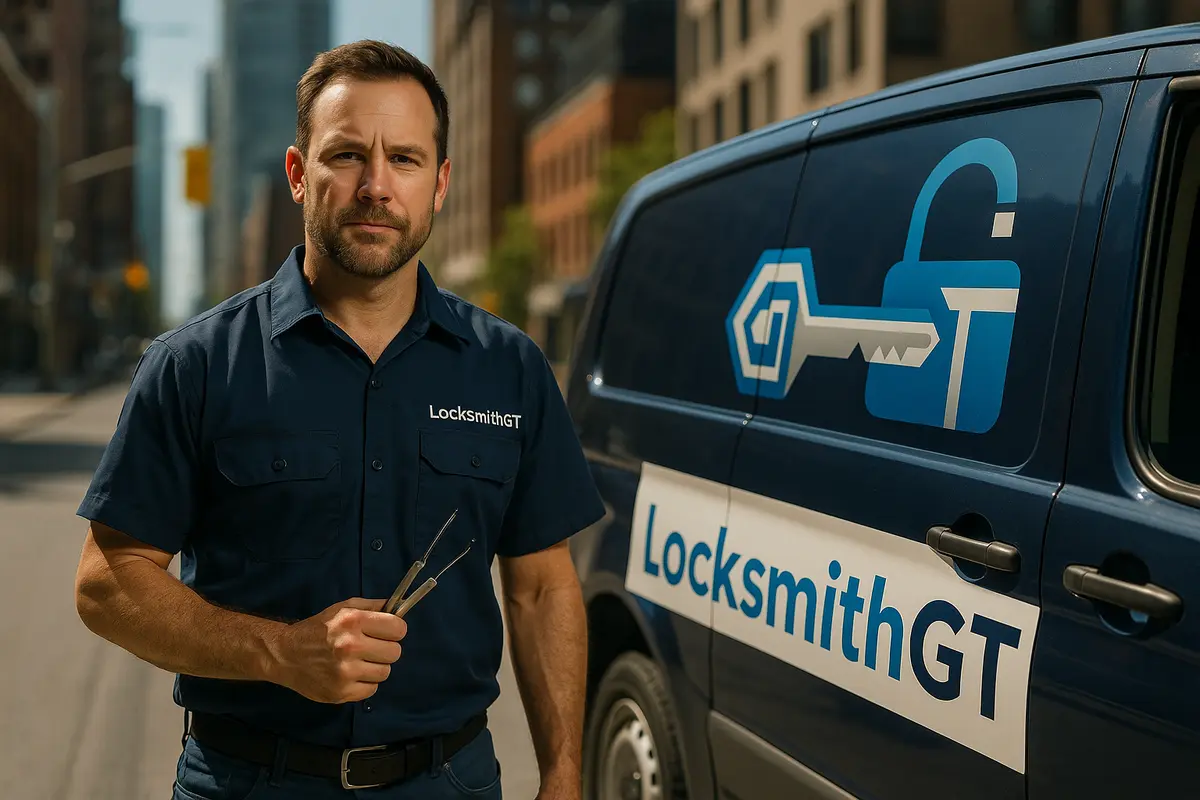
If you have to wait for help on the side of a road, move the car off the road if possible. Turn on your hazard lights. If you are stuck on a busy street, stay inside the car with the doors locked until help arrives, unless the car is overheating or filling with exhaust. If you are on a highway, stand behind a barrier if it is safe to exit the car. Keep your phone charged and your emergency kit within reach. A reflective vest and a warning triangle can make your car more visible to passing traffic. Locking your keys in a car is frustrating, but it does not have to ruin your day. With a calm head and a plan, you can get back on the road quickly. If you need professional help, a mobile locksmith can come to your location. For example, LocksmithGT provides 24/7 mobile locksmith services for vehicle lockouts across Toronto. They can unlock your car without damage and, if needed, help with key fob replacement or programming. Their technicians carry the tools and equipment to handle most makes and models on the spot. This can save you the trouble of having your car towed to a dealership. Always keep a spare key somewhere safe and replace your key fob battery before it dies. These small steps can prevent a hot and stressful situation from happening in the first place.
What about the key itself?
If your key fob is lost or broken, the process of getting a replacement involves a few steps. First, you need to source the correct fob for your car's year, make, and model. Not all fobs are interchangeable. Some are sold online, but you have to make sure the part number matches. Once you have the fob, it needs to be programmed. Some fobs can be programmed by the owner using a sequence of steps in the car, but many require a professional tool. A locksmith can program a new fob on site if they have the necessary equipment. They may also need to cut a new key blade if your old one is lost. The cost of a key fob replacement varies widely, but it is often much less expensive than going through a dealership. Plus, a mobile locksmith comes to you, which is convenient if you are stranded. Keep in mind that some older cars use a transponder chip embedded in the key itself, not a separate fob. In that case, the key must be cut to match the ignition cylinder and the chip must be programmed to the car's immobilizer. This is still a job for a professional, as the chip coding requires access to the car's computer. If you have a spare key but it does not work, the chip may have become demagnetized or damaged. In that case, you may need a new transponder chip installed in your existing key. A professional locksmith can test the chip and determine if it needs replacement.

Staying cool under pressure
When you lock your keys in a hot car, the most important thing is to stay calm. Panic leads to bad decisions. Take a deep breath, assess the situation, and call for help if needed. If you are not in immediate danger, take your time to figure out the best solution. Remember that breaking a window is a last resort and can be dangerous. Professional help is usually faster and safer. And if you find yourself needing a new key fob, a mobile locksmith can handle the job without you having to leave your car. LocksmithGT can assist with key fob replacement and programming for many vehicle models in the Toronto area. They have the expertise to get you back on the road with minimal hassle. Always keep a spare key accessible and check your key fob battery regularly. A little bit of preparation can prevent a lot of stress on a hot day.